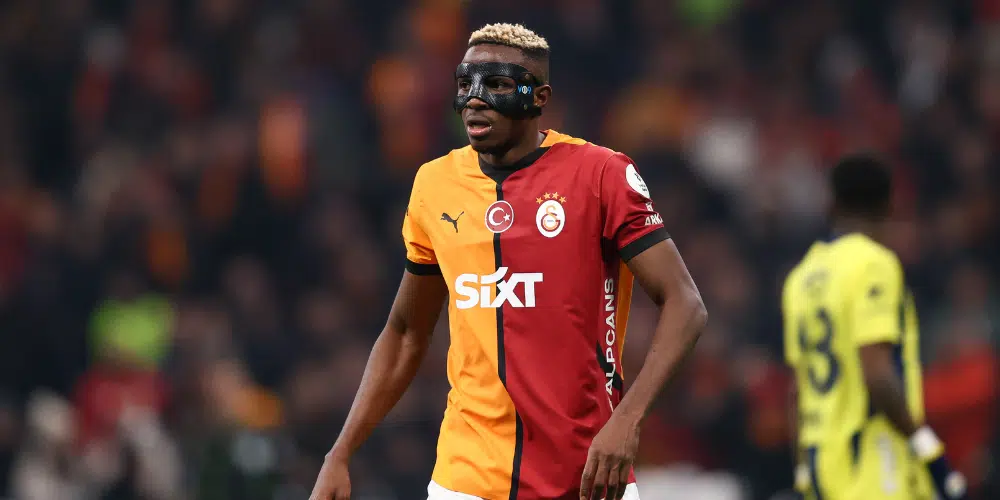

Odion Jude Ighalo is one of Nigeria’s richest footballers ever, and his financial ascent reflects both his on-field accomplishments and off-field ventures. Born on June 16, 1989, in Lagos, Nigeria, Ighalo’s journey from modest beginnings to global stardom is mirrored in his growing net.
Ighalo’s Net Worth estimates vary depending on the source, but most agree that he has amassed tens of millions of dollars through salary, contracts, investments, endorsements, and real estate.
Odion Ighalo’s Net Worth Breakdown

Assessments of Odion Ighalo’s net worth place him roughly between $34 million and $47 million. Some financial profiles estimate his net worth around £47.5 million (roughly ~$60 million), based on contracts and career earnings. Others place his wealth closer to $34–$40 million, making him one of Nigeria’s richest football talents.
Regardless of the precise figure, there is consensus that Ighalo ranks among the richest Nigerian football players of his generation.
Career Earnings
Ighalo’s wealth is primarily built on his football salaries across Europe, China, and the Middle East.
He began his European career with Lyn Fotball before moving to Udinese Calcio in Italy. However, his financial breakthrough came in England with Watford FC, where he became a Premier League star.
His profile rose globally during his loan spell at Manchester United in 2020, a childhood dream move that significantly boosted his commercial value.
The real financial turning point, however, came in China. At Shanghai Shenhua and Changchun Yatai, Ighalo reportedly earned wages in the region of £300,000 per week, placing him among the highest-paid African footballers at the time.
He later continued earning lucrative salaries in Saudi Arabia with Al Hilal SFC, Al Shabab FC, and Al Wehda FC, where tax-free contracts further boosted his net income.
Across these moves, Ighalo accumulated tens of millions of dollars in salary alone.
Real Estate Investments
One of Ighalo’s most visible investments is in luxury real estate, particularly in Nigeria.
He owns a lavish mansion in Lekki, Lagos, often showcased on social media. The property reportedly features:
- A private swimming pool
- A personal football pitch
- State-of-the-art interior finishing
- Multiple luxury suites
Beyond his primary residence, reports suggest he owns additional land and property investments in Lagos and other locations. Real estate remains one of the safest wealth-preservation strategies for Nigerian athletes, and Ighalo appears to have taken this route seriously.
Business Interests and Entrepreneurship

Unlike some players who rely solely on football income, Ighalo has shown interest in diversifying his earnings.
Though he keeps much of his private investments discreet, financial profiles indicate involvement in:
- Property development
- Private business ventures in Nigeria
- Youth football development initiatives
These investments help secure long-term wealth beyond his playing years.
Luxury Assets
Ighalo’s net worth is also reflected in his lifestyle and luxury assets. His car collection reportedly includes:
- Rolls-Royce Cullinan
- Mercedes-AMG G63
- Range Rover models
While these are depreciating assets, they signal liquidity and purchasing power consistent with a multi-million-dollar net worth.
Endorsements and Commercial Deals
Although not as commercially aggressive as some global superstars, Ighalo has benefited from endorsement deals linked to his profile as a Former Premier League striker and Nigerian international
His time at Manchester United dramatically expanded his global visibility, increasing his brand value even during a short-term loan.
International Career Earnings
On the international stage, Odion Ighalo represented the Nigerian national team with distinction, notably finishing as top scorer at the 2019 Africa Cup of Nations (AFCON) before briefly retiring from international football.
His performances at the tournament were pivotal. Ighalo scored five goals, helping Nigeria secure a third-place finish. Winning the Golden Boot at a major continental competition significantly enhanced his reputation across Africa and beyond. While national team football does not pay salaries comparable to club contracts, it can still provide substantial financial benefits through bonuses and indirect commercial gains.
Match Bonuses and Tournament Incentives
International players typically receive:
- Appearance fees
- Win bonuses
- Qualification bonuses
- Tournament progression bonuses
During AFCON campaigns and FIFA World Cup qualification cycles, the Nigerian Football Federation distributes financial incentives to players. For a key player like Ighalo, responsible for delivering decisive goals, these bonuses can accumulate over multiple tournaments and qualification rounds.
World Cup Qualification Exposure
Ighalo also played a crucial role in Nigeria’s qualification campaign for the 2018 FIFA World Cup. World Cup qualification carries additional financial incentives because of FIFA’s prize distribution system. Federations receive substantial participation funds, a portion of which is allocated to players in the form of bonuses.
Beyond direct payments, World Cup qualification dramatically increases a player’s global exposure. For Ighalo, this visibility strengthened his bargaining position in club negotiations — particularly ahead of his lucrative move to China.
Financial Discipline and Longevity
One factor that separates Ighalo’s net worth trajectory is strategic career decision-making. Moving to China at a time when the league was offering inflated wages was financially transformative.
Similarly, accepting contracts in Saudi Arabia during his later years ensured continued high earnings even as he approached the twilight of his career.
Rather than chasing only prestige, Ighalo balanced competitive ambition with financial security, a decision that significantly elevated his lifetime earnings.
Conclusion
Odion Ighalo’s net worth, estimated between $34 million and $47 million, is the product of strategic career choices, lucrative overseas contracts, smart asset allocation, and measured financial discipline. From high-paying spells in China and Saudi Arabia to the global visibility gained in England and with the Nigerian national team, every phase of his career contributed to a steady accumulation of wealth.
Beyond football salaries, his investments in real estate, private ventures, and long-term social projects such as his orphanage initiative in Lagos demonstrate an understanding that financial success must extend beyond active playing years. His luxury assets reflect prosperity, but his property portfolio and philanthropic commitments reveal planning and structure.
International achievements, particularly his Golden Boot at AFCON 2019, elevated his brand value and strengthened his commercial standing. Even where direct earnings from international football were modest compared to club wages, the reputational impact translated into improved negotiating power and endorsement opportunities.
Ultimately, Ighalo’s financial journey is not merely about earnings; it is about calculated movement, timing, and sustainability. From humble beginnings in Lagos to becoming one of Nigeria’s wealthiest footballers of his generation, his story illustrates how talent combined with strategic decisions can produce long-term financial security and legacy.