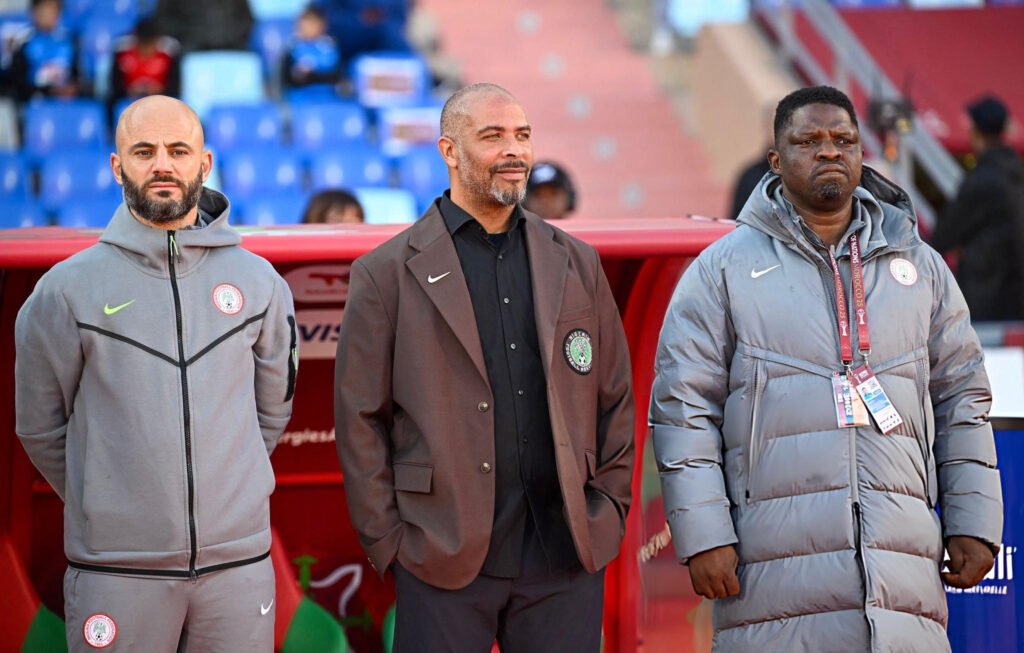

Pride, pressure and history assemble as Nigeria face Morocco in a critical AFCON semi-final, a fixture moulded by aspirations and national anticipation.
The reason this encounter carries much weight is straightforward: both nations see this juncture as a doorway to continental supremacy, with the Super Eagles of Nigeria chasing further assertion of dominance and the Atlas Lions of Morocco aiming to validate their growing authority in African football.
The spectacle takes place on Wednesday evening at Stade Abdullah, where an intense atmosphere is expected to intensify every moment. Morocco booked their spot in the semi-final by prevailing over South Africa in the quarter-final, following earlier victories against Cameroon and Tanzania.
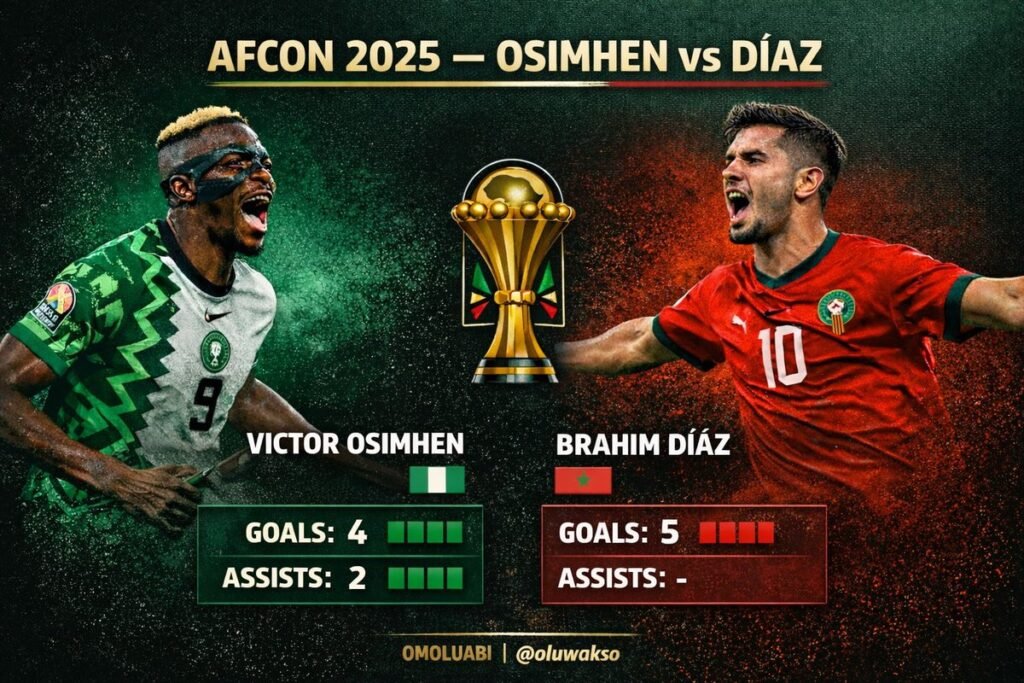
Morocco’s talisman Brahim Diaz, has stood out as the leading goal scorer for the tournament so far with 5 goals, with Ayoub El Kaabi also providing ruthless attacking prowess in front of goal after making double outrageous bicycle kick goals a formality for himself. This is where the stakes rise beyond tactics, as prestige and legacy come precisely into the spotlight.
Nigeria attained this stage through composure and incessant attacking effectiveness, keeping more possession of the ball, relying on a flexible structure, experience and the ability to see out games with a win. Nigeria has also been the most potent team going forward. They boast of the most goals scored in the competition with 14.
Ademola Lookman and Victor Osimhen have emerged as the heartbeat of the Super Eagles, combining for over ten goals at the tournament. Their transition, finishing and comprehension of each other has reflected Morocco’s own attacking duo of Diaz and El Kaabi, orchestrated for a fascinating head-to-head battle.
How this semi-final unwraps will hinge on which attacking alliance imposes itself under pressure, as both sides balance tactical discipline with a high-octane intensity game. The midfield control, defensive solidity, game management and the ability to handle momentum swings in a high-intensity environment are also likely to define the outcome.
The scheduling of this encounter adds another layer of uncertainty, coming deep into the competition when fatigue meets expectation. History looms profusely, too, as past events between both sides have often been decided by fine margins rather than utter dominance.